Case Study
Remote tower erection
Category
Lifting
Conditions
Cold
Location
Glens of Antrim
Ancore has invested heavily in specialist lifting equipment and expertise to deliver complex operations in some of the most remote and demanding locations across the United Kingdom. This project, located within the rugged and remote Glens of Antrim, was a clear example of that capability in action.
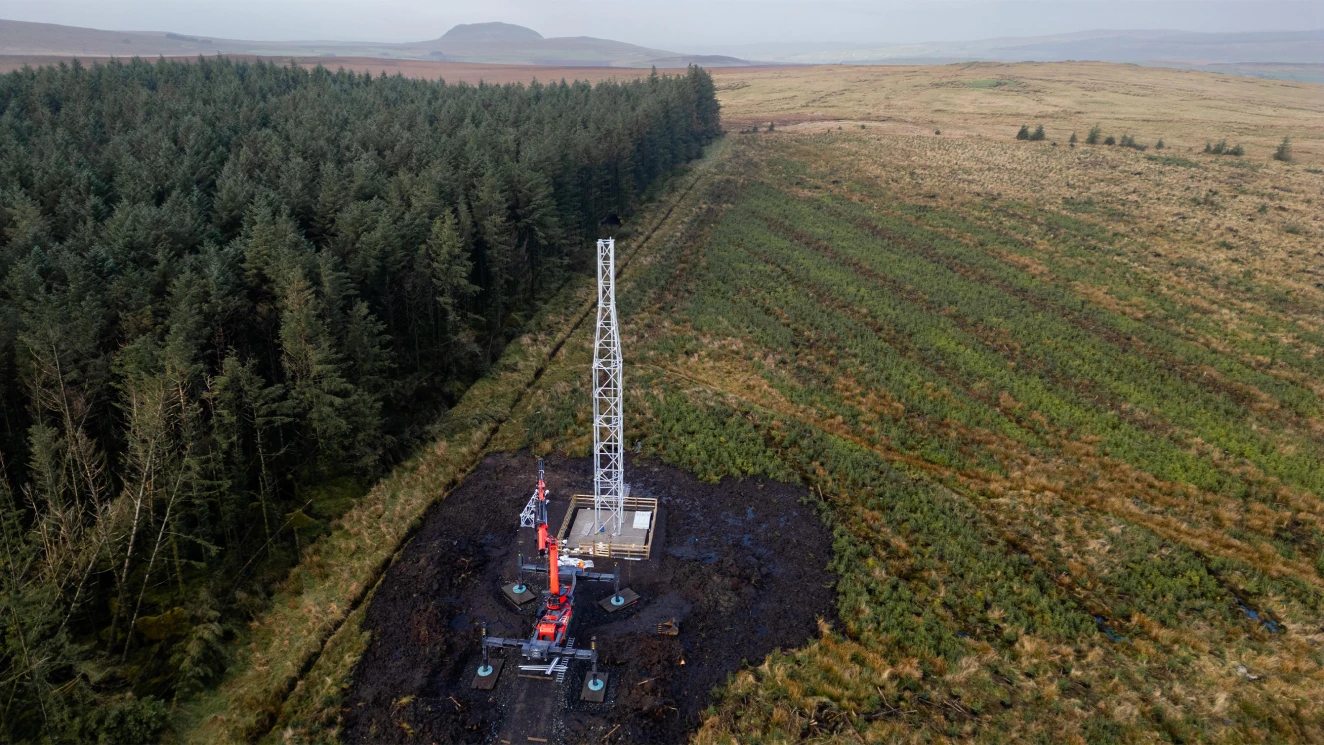
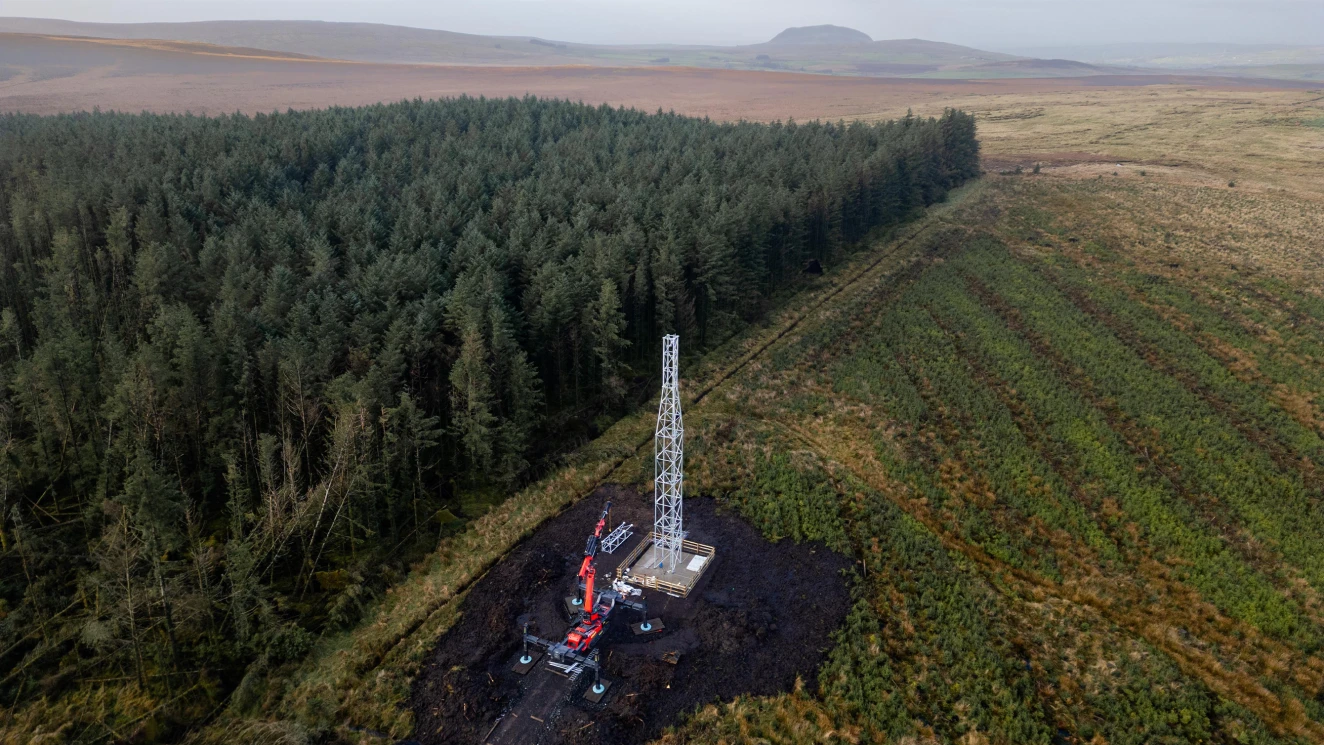
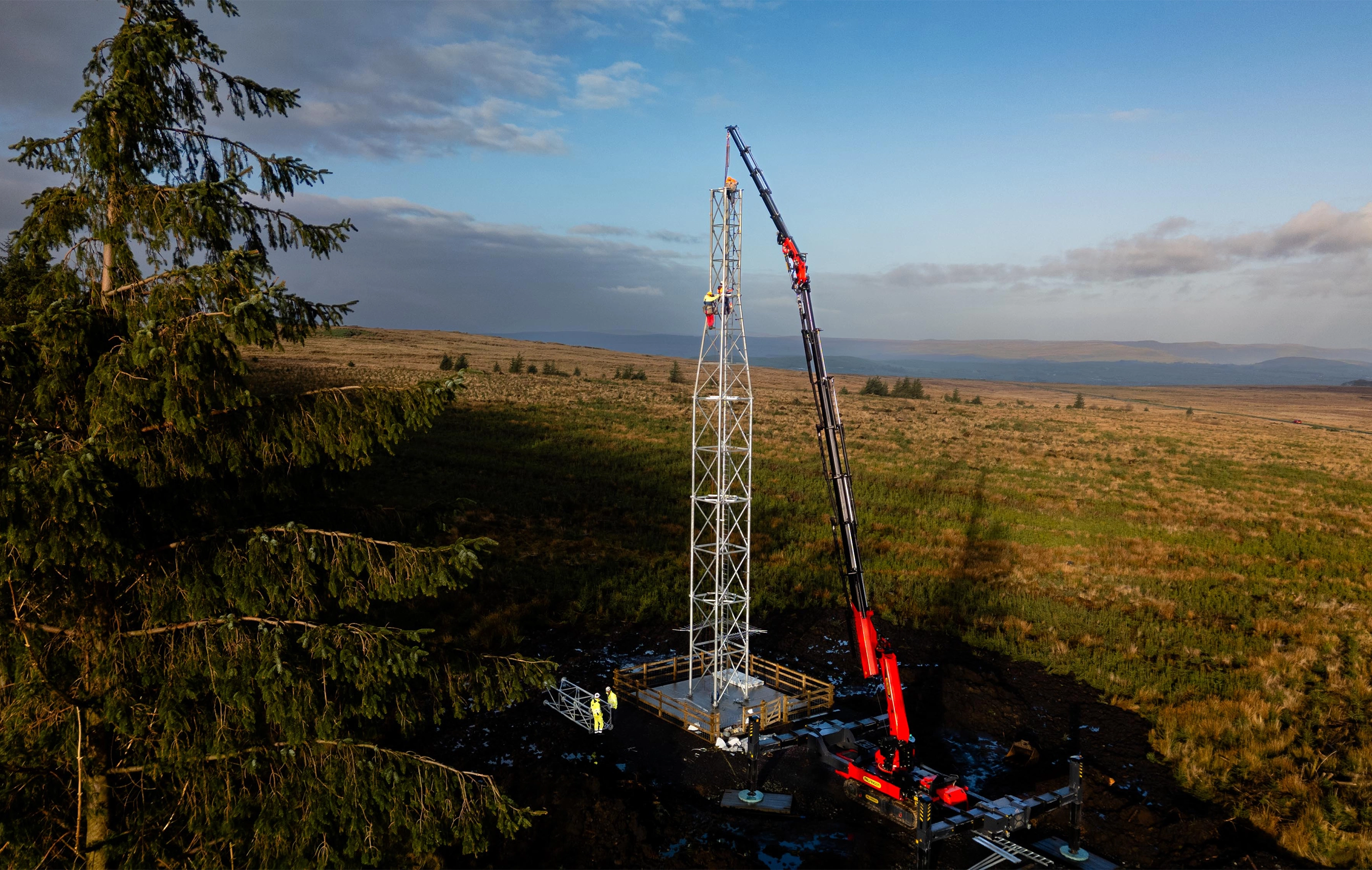
Ancore was initially engaged through its civils division to construct the tower foundations. Early involvement allowed the project team to identify significant environmental and logistical challenges, particularly the poor and variable ground conditions across the site. These constraints required a carefully engineered approach to ensure safe lifting operations could be achieved without compromising programme or safety.
A detailed bearing capacity study was undertaken, supported by ground analysis, which confirmed the need for additional hardcore fill to form a stable crane pad. To further manage imposed loads, bog mats were installed to spread weight across the widest possible surface area, ensuring ground stability throughout the lifting phase.
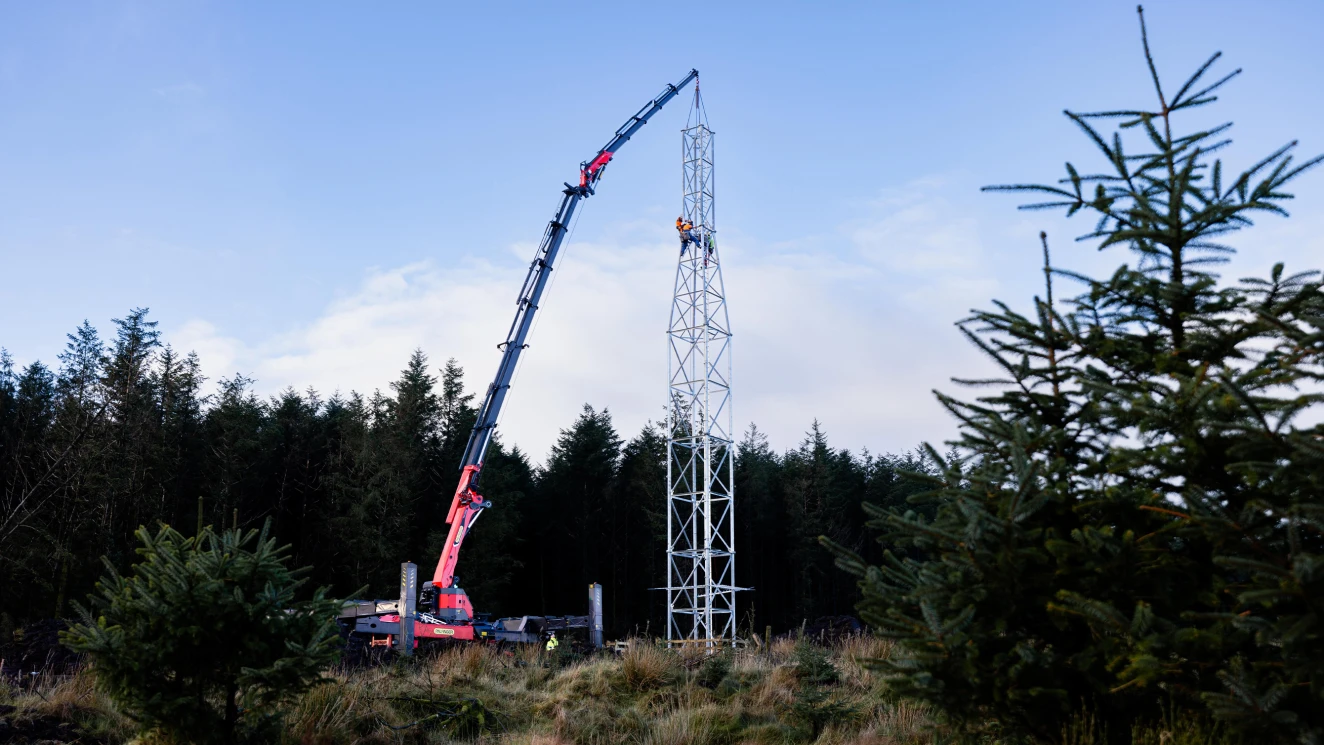
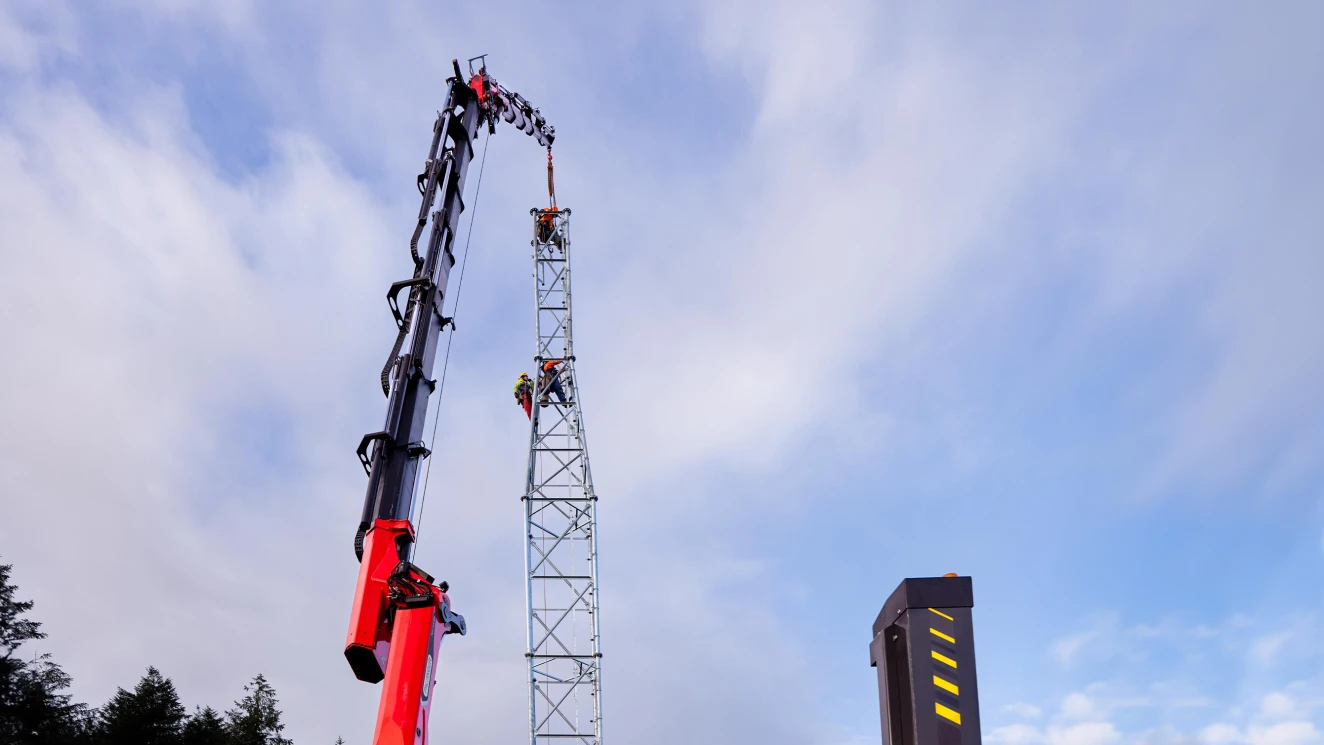
Ancore’s Appointed Person developed the full lift plan in accordance with the tower manufacturer’s specifications, producing the required CAD drawings and managing all lifting activities on site. Tower sections were delivered by lorry and manoeuvred into carefully defined pick-up zones. Using slings and chains, each section was lifted into position and accurately landed onto the prepared foundation stub legs, before being securely bolted together by the rigging team.
Despite a tight weather window, the tower frame was successfully erected within two days, completing the works just ahead of an approaching storm. The project was delivered safely, efficiently, and in line with the client’s expectations.
As a result, the local community now benefits from improved mobile phone coverage, supporting local businesses, enhancing connectivity, and improving overall safety within this remote rural area.